

By Katalina Siasau
Local authorities are encouraging farmers to plan and prepare for likely dry months ahead during El Niño season in Tonga, as a drought warning is in effect for the Ha'apai island groups, while the rest of Tonga is on a drought alert.
Acting Director for the Ministry of Agriculture (MAFF) Dan Savia ‘Atuekaho stressed the risks of this El Niño to food security and livelihood for Tongans.
‘Atuekaho told Matangi Tonga that farmers, fishermen, and households must be aware of the disaster that may follow.
"One of the biggest concern for Tonga is below-average rainfall. Most island groups, including Tongatapu, Vava’u and Ha’apai are expected to experience dry conditions," he said.
“The type of soil in Ha’apai is called sandy loam or known as tou’one. It is not able to retain water for a long period of time. Therefore, Ha’apai's agriculture is vulnerable [during drought] and differs from Tongatapu, which has a clay soil type. For Vava’u and other outer islands, the potential for water-holding capacity varies.”
He said there is also the risk of lower groundwater levels resulting in more saline soil, and if used for irrigation, it can damage crops.
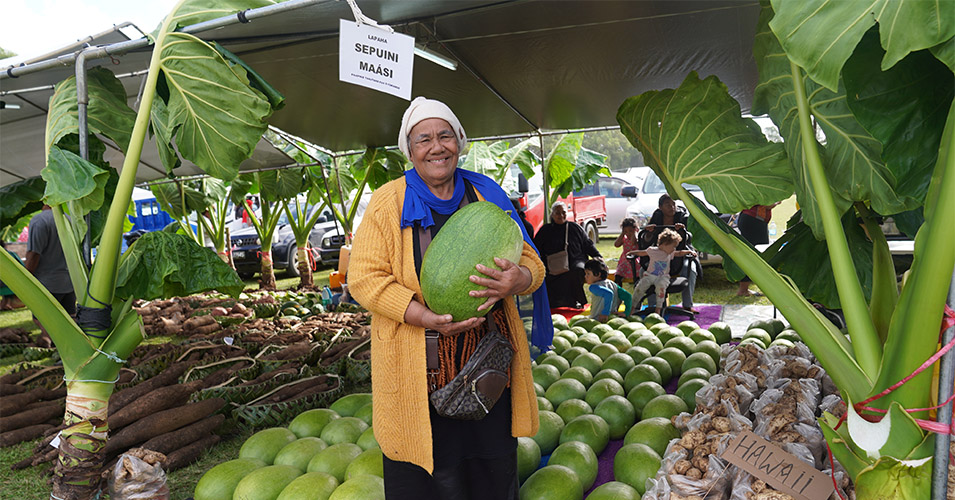
He noted that key crops such a yam, cassava, taro, and watermelon are at risk of poor growth due to dry soils. He added that drought can lead to delayed planting season, lower crop yields, and increased pest and disease stress.
“Communities relying heavily on rainwater are particularly vulnerable.”
Meanwhile, 'Atuekaho expressed concern for livestock such as cattle, pigs, poultry which are affected by hotter and drier weather. "The possible impacts include, heat stress, reduced growth and productivity, limited pasture availabilities, and higher disease risks."
He mentioned that during the previous El Niño in 2025, some livestock around Tonga died from heat stress.
High likelihood for cyclones
Last week, the Tonga Meteorological Services (TMS) announced a high likelihood for Tropical Cyclone (TC) activities affecting Tonga, with increased frequency of severe tropical cyclones category 3 to 5 expected during the upcoming tropical cyclone season, November 2026 - April 2027.
"These cyclones can cause crop destruction, flooding, damage to agricultural infrastructure, and loss of livestock."
On the other hand, marine and fisheries impacts from El Niño may cause coral bleaching, fish migration, and reduced coastal fish availability.
“Farmers, fishermen, and women should be ready and vigilant every year."
"Farmers should plant all year round. Farmers should grow crops to harvest before the cyclone season arrive," 'Atuekaho said.
“Agricultural planning is very important.”